EXCLUSIVE
Sterling Bank’s N2.5bn Glitch Fraud: Six Months After EFCC Recovery, Where Are the Missing Millions?


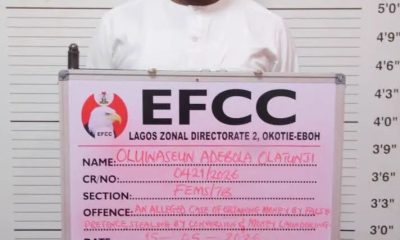
The Economic and Financial Crimes Commission (EFCC) disclosed in March 2026 that more than N2.5 billion was allegedly stolen from Sterling Bank customers after a system glitch allowed unauthorised transfers from accounts with insufficient balances.
But six months after the Federal High Court in Lagos ordered the final forfeiture of N81.108 million recovered from the affected accounts, several questions remain unanswered.
The March 9, 2026 ruling, presided over by Justice Yelim Bogoro, dealt specifically with the N81.108 million recovered by the bank and traced to the alleged fraud. The court ordered the money finally forfeited to the Federal Government in favour of Sterling Bank after no objection was filed following publication of the interim forfeiture order.
But the bigger question is: what has happened to the wider N2.5 billion investigation?
The EFCC had told the court that the alleged fraud involved more than N2.5 billion and that about N295.9 million remained unrecovered because it had allegedly been withdrawn and converted by beneficiaries.
The commission also said N490.349 million had been recovered through Sterling Bank’s internal ledger, while N81.108 million was recovered from affected accounts.
Against that background, the following questions deserve answers:
What is the current status of the EFCC’s investigation into the wider N2.5 billion Sterling Bank fraud?
How much of the alleged N2.5 billion has now been recovered?
What has happened to the approximately N295.9 million the EFCC said remained unrecovered?
Has the N490.349 million recovered through Sterling Bank’s internal ledger been returned to the bank, forfeited or otherwise accounted for?
How many customers have been identified as beneficiaries of the alleged system glitch?
How many suspects have been arrested, charged or convicted in connection with the wider fraud?
What is the status of the cases involving the major beneficiaries identified during the investigation?
Has the EFCC traced the full movement of the money allegedly transferred to third-party beneficiaries?
Have assets allegedly purchased with the stolen funds been identified and subjected to forfeiture proceedings?
Was anyone within Sterling Bank investigated over the system vulnerability that allegedly allowed customers to transfer money despite having insufficient balances?
Was PAYATTITUDE Global Ltd investigated in connection with the platform through which the disputed transfers allegedly occurred?
What technical failure caused the glitch, and has Sterling Bank confirmed that the vulnerability has been completely resolved?
How many similar Sterling Bank system-glitch cases have been prosecuted since the original 2022 petition?
Is the March 2026 N81.108m forfeiture the end of the investigation into this particular fraud, or merely one recovery from a much larger case?
Most importantly, where is the rest of the money?
A related case shows that the investigation has produced at least one significant criminal conviction: Ojora Kehinde was sentenced to seven years’ imprisonment in October 2025 after being convicted over an N81.3 million Sterling Bank fraud linked to the same type of electronic-transfer system vulnerability. The court also directed that efforts to recover outstanding funds should continue.
That makes the next stage of the story particularly important: beyond the N81.1 million already forfeited, what has the EFCC recovered, who else has been prosecuted, and what remains outstanding from the alleged N2.5 billion?