
Health & Wellness
Nine Fruits That Could Help Protect Your Heart, Lower Cholesterol, Blood Pressure

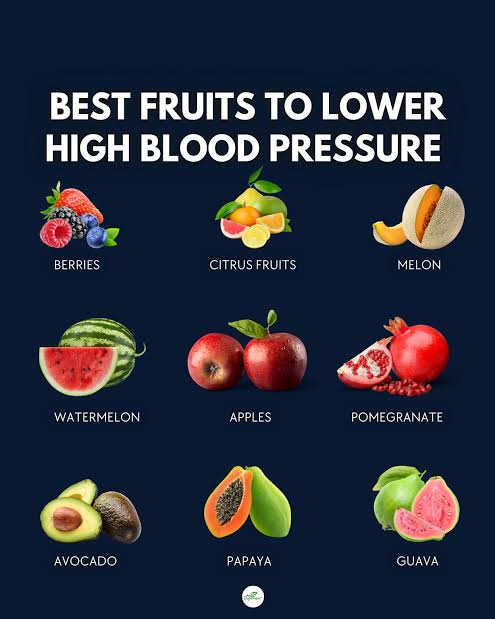
Regular consumption of whole fruits may offer significant benefits for heart health, with researchers linking fruit-rich diets to improved cholesterol levels, lower blood pressure and reduced inflammation.
Health experts say the soluble fibre, potassium, antioxidants and other plant compounds found in many fruits can help reduce some of the major risk factors associated with cardiovascular disease, including clogged arteries and high blood pressure.
According to Dr. Annapoorna Kini, a cardiologist at Mount Sinai Fuster Heart Hospital in New York, soluble fibre can help improve cholesterol by trapping cholesterol and related substances in the digestive system before they are eliminated from the body.
She noted that many diets contain far less fibre than recommended, with adults generally advised to consume at least 20–25 grams daily, with 25–30 grams considered an ideal target for many people.
Research has also linked increased consumption of whole fruits with lower blood pressure. Potassium found in fruits can help counter the effects of excessive sodium and ease tension in blood vessel walls, according to the American Heart Association.
Meanwhile, vitamins and antioxidants in fruits may help reduce inflammation, another factor associated with cardiovascular disease.
Among the fruits experts and studies have highlighted are:
1. Berries
Strawberries, blueberries, blackberries and raspberries are rich in fibre and anthocyanins, plant pigments associated with cardiovascular benefits.
Raspberries are particularly high in fibre, while studies have linked greater consumption of anthocyanins with a reduced risk of heart attack.
2. Grapes
Grapes contain polyphenols and other phytonutrients, particularly in their skins. Compounds such as resveratrol have been studied for their potential cardiovascular benefits.
Research has also associated grape polyphenols with beneficial effects on blood pressure and blood-vessel function.
3. Apples
Apples are a source of pectin, a soluble fibre that can help lower cholesterol.
Research has found that consuming two apples daily can improve cholesterol levels and certain cardiometabolic markers. Apples also contain quercetin, a flavonoid with antioxidant and anti-inflammatory properties.
Nutrition experts recommend eating apples with their skins because much of the fruit’s fibre and quercetin is concentrated there.
4. Pears
Pears are another strong source of dietary fibre.
One medium-sized pear provides about six grams of fibre, making it a convenient way to increase daily fibre intake.
Studies examining apple and pear consumption have also reported associations with reduced cardiovascular mortality.
5. Avocado
Avocado contains predominantly unsaturated fats and has been widely studied for its potential cardiovascular benefits.
Research suggests that incorporating avocado into a diet low in saturated fat and cholesterol may help reduce total and LDL cholesterol, commonly known as “bad” cholesterol.
6. Citrus Fruits
Oranges, lemons and grapefruits contain flavonoids and soluble fibre, particularly in the membranes and pith.
Studies have examined citrus flavonoids for their potential effects on inflammation, cholesterol and blood pressure, with researchers suggesting possible benefits against atherosclerosis and cardiovascular disease.
7. Pomegranate
Pomegranate is rich in antioxidants and anthocyanins, the plant pigments responsible for its deep red colour.
Reviews of studies have reported potential reductions in blood pressure following pomegranate consumption, although further research is needed to determine the extent of its cardiovascular benefits.
8. Watermelon
Watermelon is a notable source of lycopene, an antioxidant also found in tomatoes.
It also contains citrulline, an amino acid involved in the production of nitric oxide, a compound important for healthy blood-vessel function.
9. Cherries
Cherries contain anthocyanins and other flavonoids that have been studied for their potential cardiovascular effects.
Research suggests that regular cherry consumption may help improve some cardiovascular risk factors, including blood pressure and cholesterol.
Experts Warn Against Relying On Fruit Juice
While fruits can form an important part of a heart-healthy diet, nutrition experts generally recommend whole fruits rather than fruit juice.
Juicing removes much of the fibre found naturally in whole fruit and can make it easier to consume large quantities of naturally occurring sugar at once.
Health experts therefore recommend consuming a variety of whole fruits rather than relying on a single “superfruit.”
A diet rich in fruits, vegetables and fibre should also be combined with other measures known to protect cardiovascular health, including maintaining healthy blood pressure and cholesterol levels, regular physical activity, avoiding tobacco and limiting excessive intake of salt and unhealthy fats.
