News
Obasanjo Knocks Tinubu’s Reforms, Says Naira Devaluation Has Made Nigerians Poorer

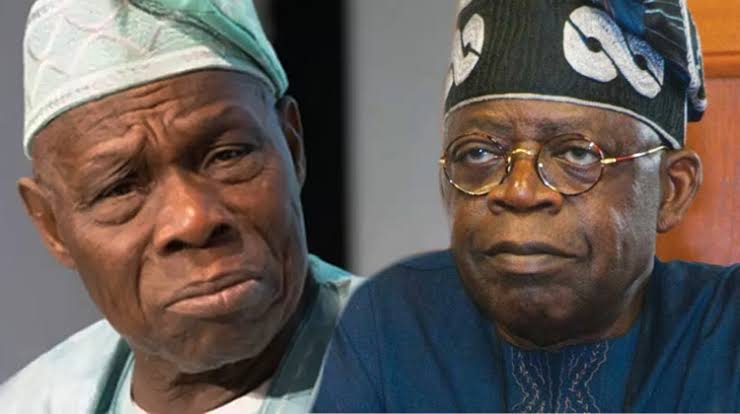
Former President Olusegun Obasanjo has criticised President Bola Tinubu’s economic reforms, arguing that the sharp depreciation of the naira has worsened poverty and eroded Nigerians’ purchasing power.
Obasanjo made the remarks on Wednesday at the Financial Times Africa Summit 2026 in London, United Kingdom, where he questioned the impact of the government’s foreign exchange policies on the welfare of citizens.
According to the former president, the naira’s decline from about N500 to the dollar to approximately N1,500 represented a significant loss in the currency’s value, with serious consequences for households and businesses.
“We do not live in isolation as a country. We interact with the rest of the world. And overnight, you devalue the currency by 300 percent. The naira went from N500 to a dollar to N1,500 to a dollar,” Obasanjo said.
He added: “What that meant was that every Nigerian is made poor by 300 percent. That made Nigeria become the poverty capital of the world, which means Nigeria has the largest number of poor people in the world.
“You cannot say to me that that is good for Nigeria. You cannot say to me that that is good for us in any sense.”
Tinubu announced the removal of the petrol subsidy in May 2023, a decision that triggered increases in petrol prices and transportation costs. In June of the same year, his administration introduced foreign exchange reforms that allowed the naira to trade more freely against other currencies.
The government said the reforms were intended to address distortions in the foreign exchange market, improve market efficiency and attract foreign investment.
However, the subsequent depreciation of the naira, alongside persistent inflation and rising prices of imported goods, has increased pressure on households and businesses.
Higher food prices, transportation costs and other essential expenses have further reduced the purchasing power of many Nigerians, intensifying public debate over the economic consequences of the reforms.
While the administration has defended its policies as necessary to address longstanding structural weaknesses in the economy, Obasanjo’s remarks reflect continuing concerns over the immediate impact of the reforms on citizens’ living standards.