
News
El Niño Could Cause 31,400 Additional Heat-Related Deaths in Nigeria in Six Months — Report

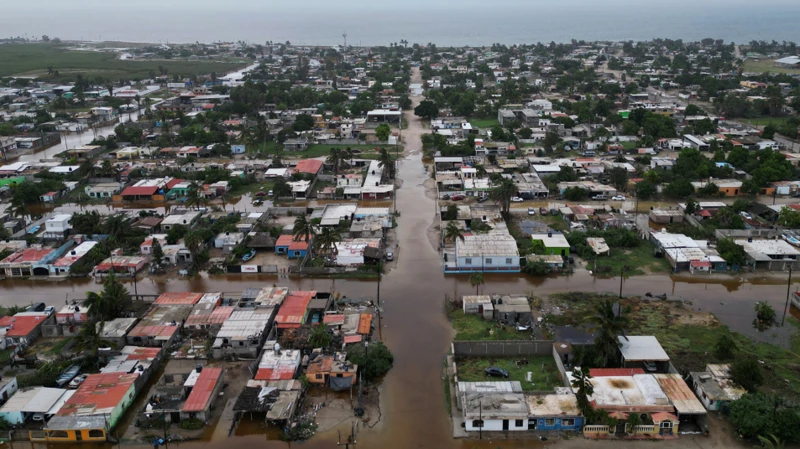
Nigeria could record an estimated 31,400 additional heat-related deaths over the next six months as the effects of El Niño intensify, according to projections attributed to the Climate Impact Lab.
The report estimates that the climate phenomenon could contribute to 66,800 additional deaths across Africa’s Sahel region, with nearly half projected to occur in Nigeria.
The warning comes amid concerns from the World Meteorological Organisation (WMO) and the United Nations Office for the Coordination of Humanitarian Affairs (OCHA) that an unusually strong El Niño could worsen extreme heat, drought and flooding in vulnerable regions.
WMO Secretary-General Celeste Saulo said the phenomenon could peak towards the end of 2026, potentially disrupting temperature and rainfall patterns across the world.
She urged governments and humanitarian organisations to strengthen preparedness by using climate forecasts and early-warning systems to protect vulnerable populations.
The UN humanitarian chief, Tom Fletcher, also warned that about 50 million people could face increased hunger as worsening climate conditions deepen food insecurity.
According to the African Development Bank estimates cited in the report, the crisis could cost African economies between $10 billion and $20 billion and reduce the continent’s gross domestic product by between one and two per cent.
Globally, the Climate Impact Lab projects that El Niño could contribute to 451,000 additional heat-related deaths during its first nine months, from June to February, with countries in the Global South expected to bear a disproportionate share of the impact.
In Nigeria, the warning comes amid high temperatures recorded in different parts of the country. The Nigerian Meteorological Agency (NiMet) has reported temperatures reaching 41°C in Nguru, Yobe State, and 34°C in Lagos.
Prolonged exposure to extreme heat can increase the risk of heat exhaustion, heatstroke and other heat-related illnesses. It can also place additional pressure on water and electricity supplies while threatening agricultural production and the livelihoods of outdoor workers.
To reduce the risks, the report recommends strengthening early-warning systems, establishing cooling centres and improving protection for people who work outdoors.
Although El Niño is a naturally occurring climate pattern involving changes in Pacific Ocean temperatures and atmospheric conditions, human-induced climate change can intensify the risks associated with extreme heat.
Saulo noted that while the effects of El Niño could not be prevented entirely, timely interventions, coordinated planning and effective early-warning systems could help limit the damage and protect vulnerable communities.
**Note:** The projected death tolls are estimates, not confirmed deaths. The figures and the six-month forecast should be verified against the original Climate Impact Lab report and current WMO and NiMet advisories before publication.
