
EXCLUSIVE
Lagos–Maiduguri High-Speed Rail — Ambition Must Give Way to Delivery

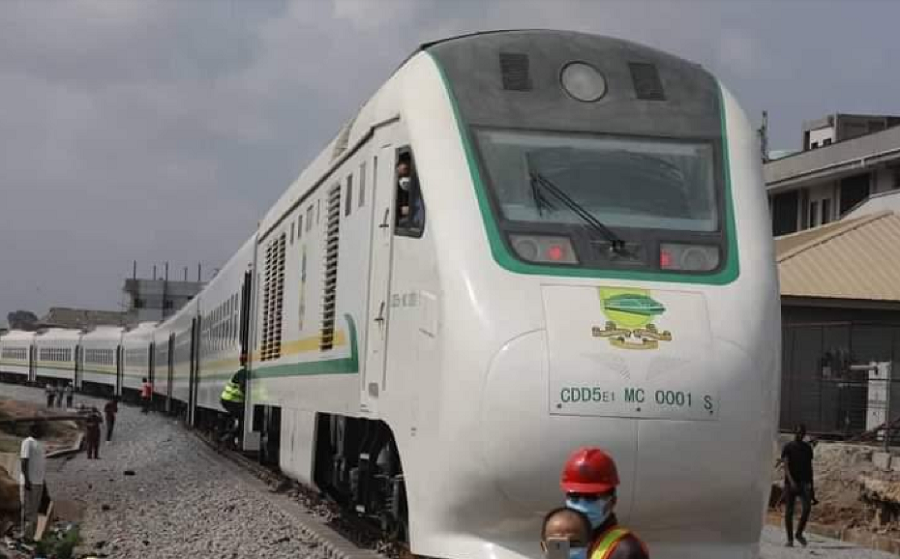
Nigeria’s proposal for a 360km/h high-speed rail line linking Lagos to Maiduguri is the kind of infrastructure ambition a country of more than 200 million people needs. But ambition, by itself, does not move trains.
A modern rail corridor connecting the South-West to the North-East could fundamentally alter the way Nigerians travel, move goods and connect with economic opportunities across the country. If delivered as proposed, it could cut journey times, reduce pressure on highways, improve the safety of long-distance travel and create a more efficient alternative to Nigeria’s heavy dependence on road transportation.
That potential is significant. But so is the gap between announcing major infrastructure projects and delivering them.
At present, the Lagos–Maiduguri high-speed rail remains a proposal. There is no publicly established construction timetable, confirmed project cost or completion date. Nigerians therefore deserve clarity on the project’s feasibility, financing structure, route, technical specifications, procurement process and implementation schedule before the announcement is allowed to become another headline without a corresponding project on the ground.
The Federal Government must also resist the temptation to sell the project primarily through speed.
Claims that a 360km/h service would be the “second-fastest bullet train in the world” are premature. China’s CR450 is designed for commercial operation at up to 400km/h, while Shanghai’s maglev has operated at speeds exceeding 400km/h.
The real measure of success should not be how fast Nigeria says its trains will travel, but whether Nigerians can actually board them, afford the fares and arrive safely and reliably.
A railway of this scale would require enormous capital investment and sustained political commitment across administrations. It must therefore be protected from the familiar cycle of grand announcements, ceremonial groundbreakings, abandoned contracts and escalating project costs.
The Federal Government should publish a clear roadmap for the project, including the estimated cost, funding model, route alignment, feasibility studies, construction phases, delivery timetable and responsible contractors or consortiums. Nigerians should also be able to track expenditure and implementation through transparent reporting.
The Lagos–Maiduguri corridor could become an important piece of Nigeria’s national transportation infrastructure. It could connect markets, communities and economic centres that are currently separated by long and often difficult road journeys.
But Nigeria has seen enough promises.
The country does not need another spectacular railway announcement. It needs a railway that is financed, constructed, completed and put into service.
Until those details emerge, the 360km/h Lagos–Maiduguri railway should be treated for what it currently is: an ambitious national infrastructure proposal whose real test will be delivery.
— The Press Nigeria Editorial Board
