News
Utomi Slams APC Over Luxury SUVs as Nigerians Grapple With Hardship, Questions Soldiers’ Welfare

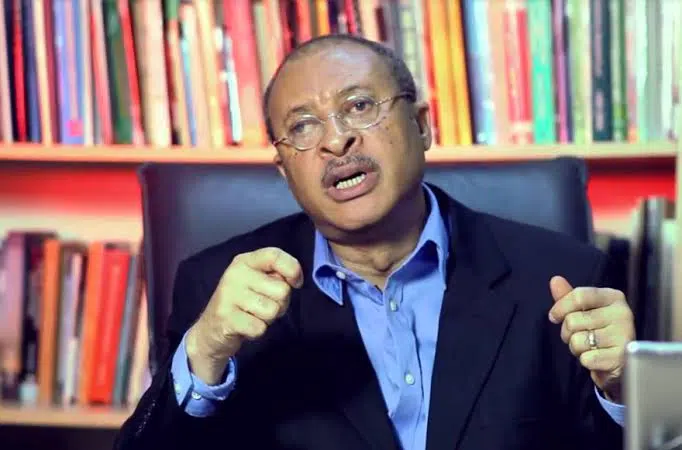
Professor Pat Utomi, a former presidential aspirant and chieftain of the Nigeria Democratic Congress (NDC), has criticised the All Progressives Congress (APC) over the distribution of luxury SUVs to selected youth leaders, questioning the party’s spending priorities amid Nigeria’s economic challenges.
Utomi argued that the reported cost of the vehicles stood in sharp contrast to what he described as the poor salaries of Nigerian soldiers and the urgent need to strengthen the country’s healthcare system.
In a post on X, the professor expressed concern over the disparity between spending on political mobilisation and the welfare of military personnel.
“Nigerian soldiers are being paid peanuts as salaries, yet an APC youth leader is flaunting SUVs worth billions of naira. This is the same government that told Nigerians there was no longer money in the treasury. At this point, they must think we are fools!” he wrote.
In another post, Utomi questioned whether the resources spent on the luxury vehicles could have been channelled towards improving emergency medical services.
“Each of the SUVs in this video costs more than ₦100 million. I wonder how many world-class ambulances the millions being spent on these vehicles could buy. What a pity!” he added.
His comments followed a video shared by APC National Youth Leader Dayo Israel, showing brand-new 2026 Toyota Prado SUVs reportedly presented to selected youth leaders to support mobilisation efforts ahead of the 2027 general elections.
The video, which was subsequently deleted, triggered criticism on social media, with some Nigerians questioning the expenditure at a time when households are struggling with rising living costs and concerns persist over public services.
The controversy has also renewed discussions about political party spending, military welfare, healthcare funding and the use of resources for election-related activities.
Utomi’s intervention adds to the debate over whether the priorities of political organisations adequately reflect the economic realities facing ordinary Nigerians, particularly as political activities gather momentum ahead of the 2027 elections.